LEADERSHIP BLOG

The Search for an Assessment Standard in Teletherapy — and Why the CCAPS-34 Was the Only One That Made Sense

Kate Wolfe-Lyga, LMHC, ACS
Vice President of Clinical Operations, BetterMynd
Master of Science, Community Counseling from Syracuse University​
Former Counseling Center Director of SUNY Oswego
Former AUCCCD Board Member

A Familiar Leadership Tension

When I stepped into the role of overseeing clinical operations for a teletherapy platform, I carried with me years of experience from college counseling center work. I lived with the same pressures counseling directors face every day: rising demand, increasing acuity, limited staff capacity, and the responsibility to deliver ethical, thoughtful care within institutional constraints. 

At the same time, I spent enough time working alongside Student Affairs leaders to understand their reality as well. They are asked to make decisions about access, equity, resources, and outcomes — often without clear, comparable data across systems of care. 

As online therapy expanded, it became clear that access alone was not the hardest part to solve. The harder question was how to extend care without losing the standards, language, and accountability that counseling centers have spent decades building. 

For me, the question had never been whether teletherapy belongs within the ecosystem of offerings for college mental health. It was whether teletherapy could be delivered in a way that counseling directors would recognize as clinically sound — and that Student Affairs leaders could trust as institutionally responsive. 

As a clinical leader who has worked inside counseling centers, as well as in clinics and private practice, I’ve seen how – when done well – assessment functions as more than a tool. It informs how clinicians understand complexity, how supervisors provide clinical support, and how institutions make resource decisions and maintain accountability to students and other stakeholders. 

With the adoption of teletherapy use by institutions, the question hasn’t been whether access would expand — it has been whether standards could be preserved while doing so. Embedding CCAPS-34 into our assessment framework was a deliberate decision to ensure that online care spoke the same clinical language as campus care, rather than creating a parallel system. 

“Embedding CCAPS-34 into our assessment framework was a deliberate decision to ensure that online care spoke the same clinical language as campus care, rather than creating a parallel system.”

Assessment Is the Inevitable Starting Point

In counseling centers, assessment is not an administrative task. It is part of how clinicians listen, how supervisors support and guide clinicians, and how institutions understand the needs of their students. 

If teletherapy is to function as an extension of campus care, it must begin with a shared assessment framework. Without that, online care runs the risk of offering adjacency rather than complementary value — helpful to individual students, but invisible and disconnected from the broader system meant to support those students. 

From a leadership perspective, assessment serves multiple purposes at once: 

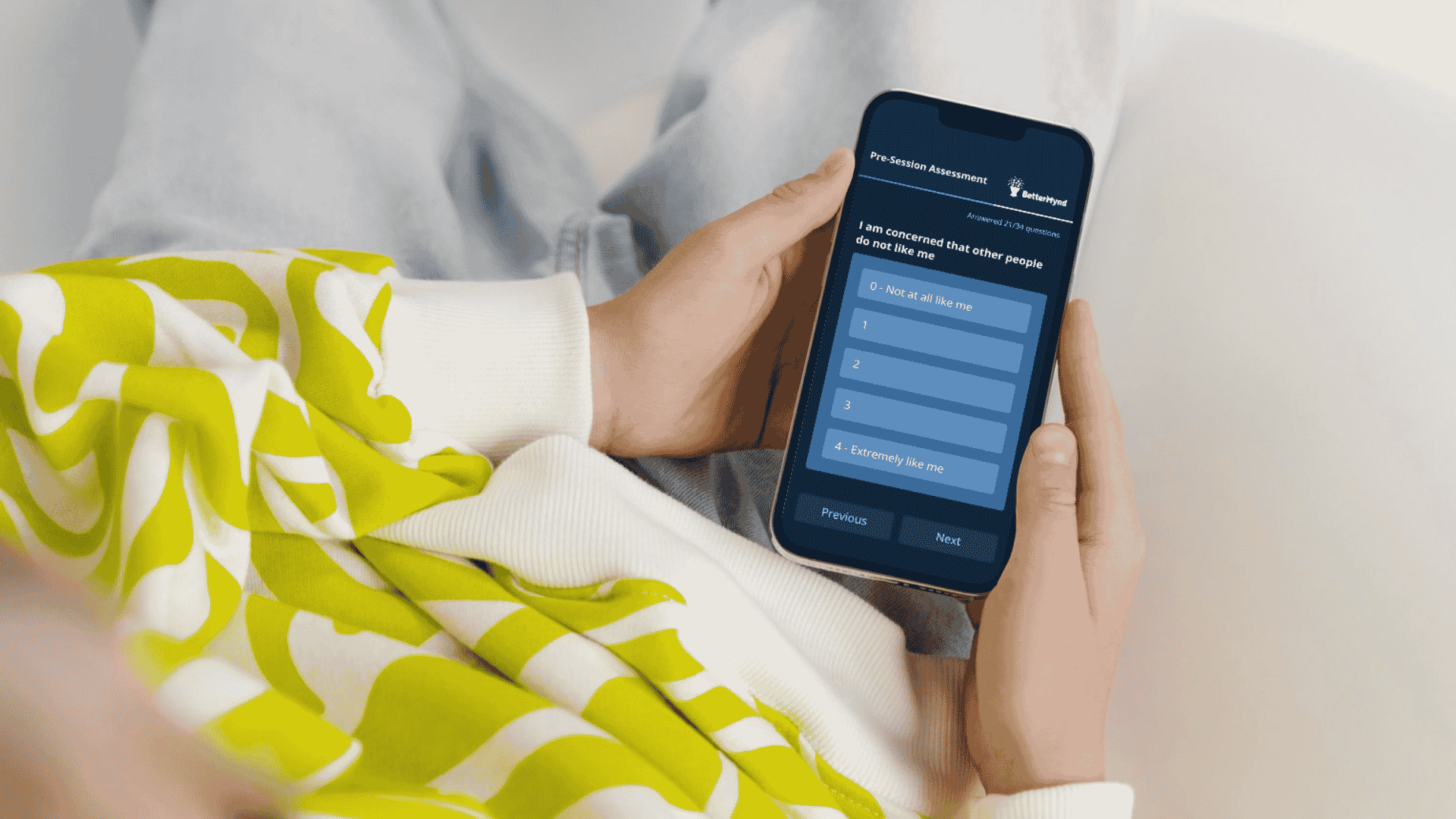
  • It gives clinicians a structured way to understand clinical concerns at intake 
  • It supports supervision and reflective practice over time 
  • It offers continuity when students move between providers or modalities 
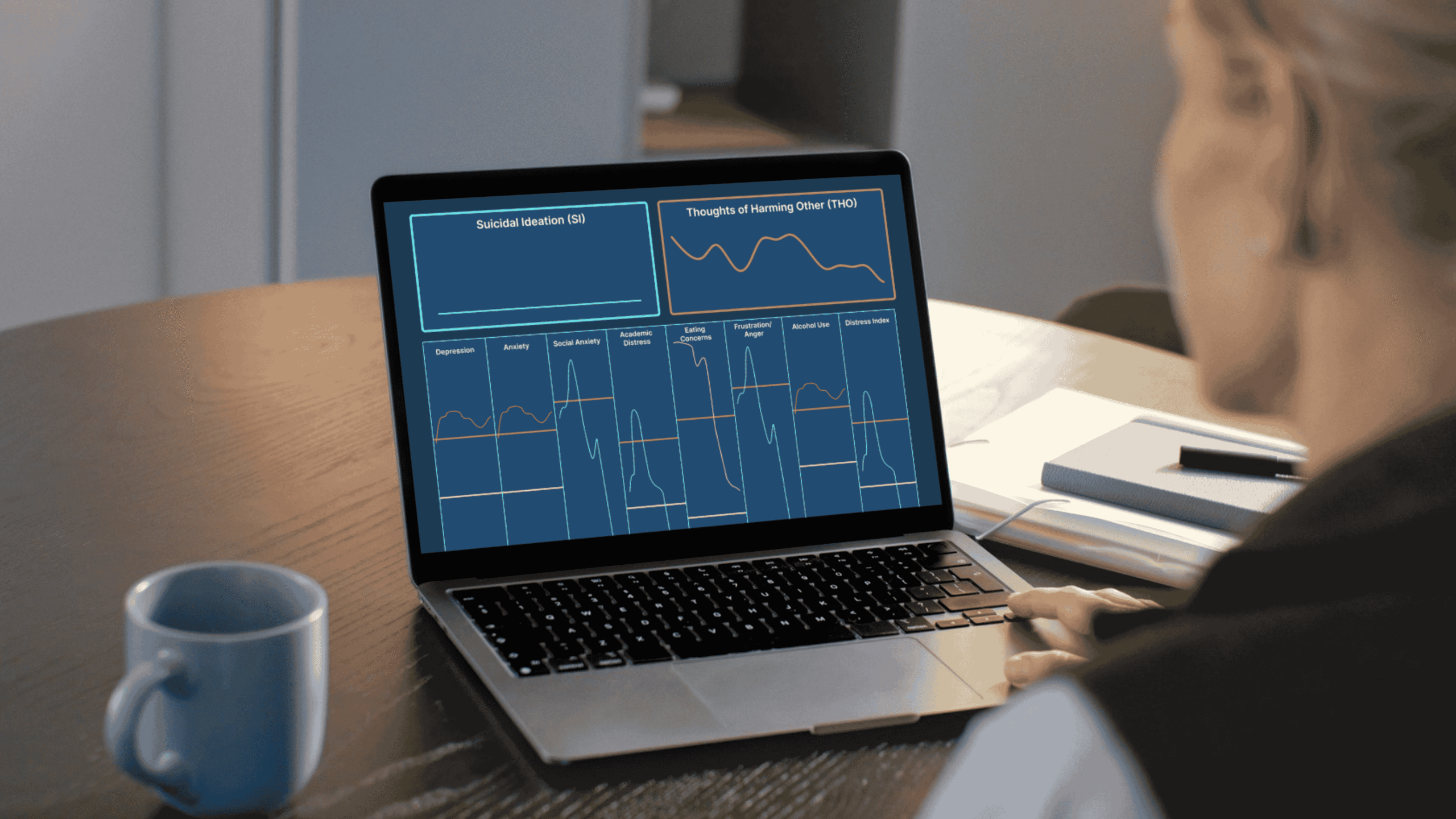
  • It provides institutions with insight into patterns they cannot see anecdotally 

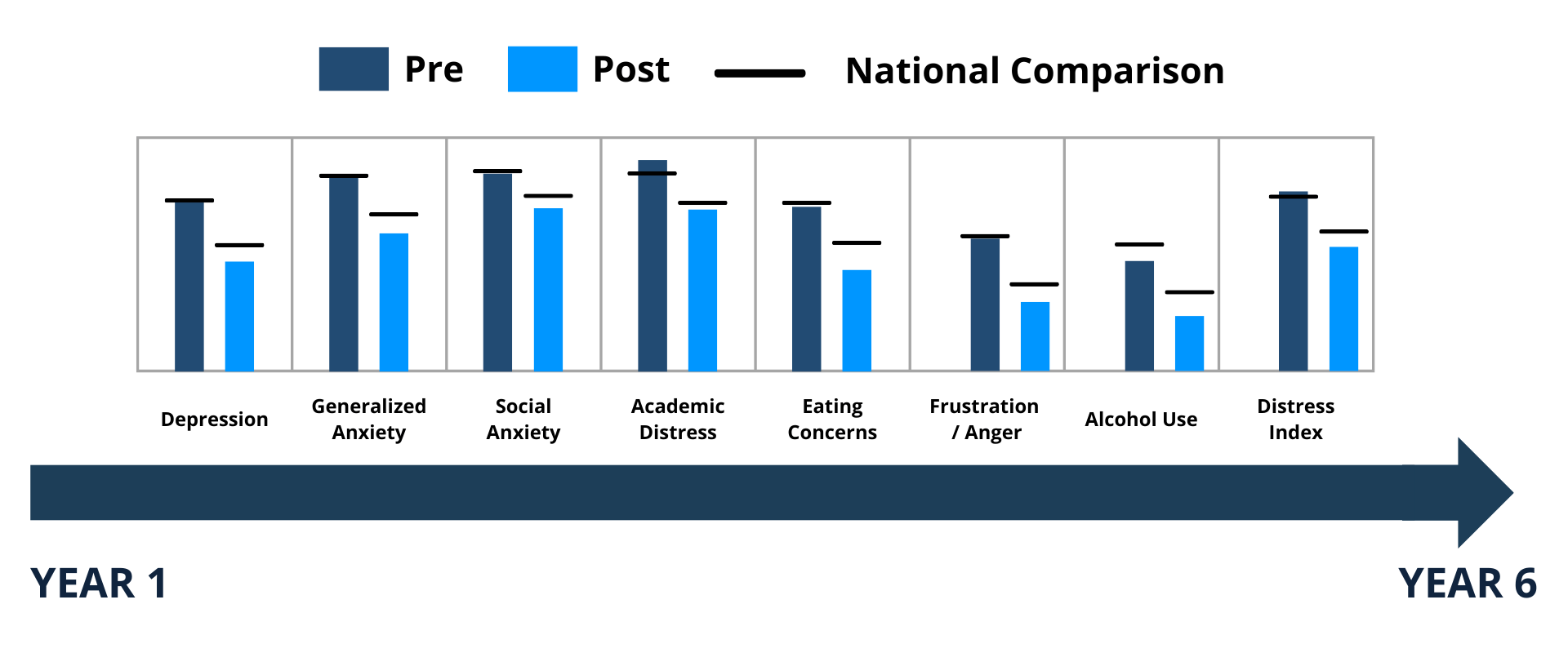
Example of the CCAPS-34 aggregate report (academic year).

Why CCAPS-34 Was the Right Choice

CCAPS was already familiar to counseling center leaders. It was developed by counseling center professionals and stewarded by the Center for Collegiate Mental Health with the explicit goal of serving higher education contexts. 

What mattered to me was not just its widespread adoption, but its design philosophy. The CCAPS was built to support clinical judgment, not replace it. Its percentile-based norms reflect counseling-seeking students, and its structure recognizes that distress in college students is often multi-dimensional rather than neatly categorized. 

The CCAPS-34, in particular, reflects years of feedback from the field. It preserves clinical utility while respecting the realities of time, access, and student engagement — concerns that are just as relevant in teletherapy as they are on campus. 

Embedding the CCAPS-34 into our assessment framework was a way to honor the work counseling centers have already done, rather than asking institutions to accept a new or unfamiliar standard simply because care was happening online. 

“Embedding the CCAPS-34 was a way to honor the work counseling centers have already done, rather than asking institutions to accept a new or unfamiliar standard simply because care was happening online.”

What This Solves for Counseling Directors

For counseling center leaders, alignment matters. When online providers use the same assessment language and interpretive framework as campus clinicians, it reduces fragmentation. 

It means: 

  • Students entering teletherapy are assessed using familiar standards 
  • Clinicians across settings can speak a shared clinical language 
  • Supervisors can trust that intervention is borne of mutual understanding 

From my perspective, this alignment is a form of respect for the profession. It signals that teletherapy is not a workaround or a shortcut — it is care delivered with the same intentionality counseling centers expect of themselves. 

What This Solves for Student Affairs Leaders

For Student Affairs and Student Success leaders, the value looks different. 

Assessment data, when used responsibly, offers visibility into trends that individual offices cannot see on their own. It helps leaders understand where demand is emerging, how severity is shifting, and which student populations may be accessing care outside traditional pathways. 

Using CCAPS across care modalities allows institutions to compare apples to apples. It supports decision-making that is grounded in evidence rather than anecdotes, and it creates a clearer picture of how mental health intersects with retention, persistence, and student wellbeing. 

From a leadership standpoint, this kind of shared measurement reduces risk. It ensures that expanded access is paired with accountability, and that decisions about resources are informed by consistent information. 

Extending Care Without Diluting Standards

Teletherapy has the potential to strengthen campus mental health ecosystems — but only if it is integrated thoughtfully. Embedding the CCAPS-34 was about ensuring that as care expanded, it remained connected to the values, practices, and standards higher education has established over time. 

At BetterMynd, assessment is not treated as a feature or a reporting requirement. It is part of how we listen, how we evaluate, and how we remain accountable to the institutions and students we serve. 

As teletherapy continues to evolve, I believe the institutions that succeed will be those that prioritize alignment over novelty — extending what works, rather than reinventing it. 

BetterMynd’s clinical assessment is powered by: CCMH – strengthening the relationship between campus counseling resources and the extended reach BetterMynd offers.

Through our exclusive use of the Center for Collegiate Mental Health’s (CCMH) gold-standard CCAPS-34 assessment instrument, BetterMynd delivers personalized, data-informed care for students—and provides institutions with actionable insights into those who might otherwise go unseen.  

You can hear directly from CCMH about the expanded use of the CCAPS-34 at BetterMynd here.